
2026-09-01 · Miguel Santos
Insurance Claim Tips For Storm Related Water Damage In Miami
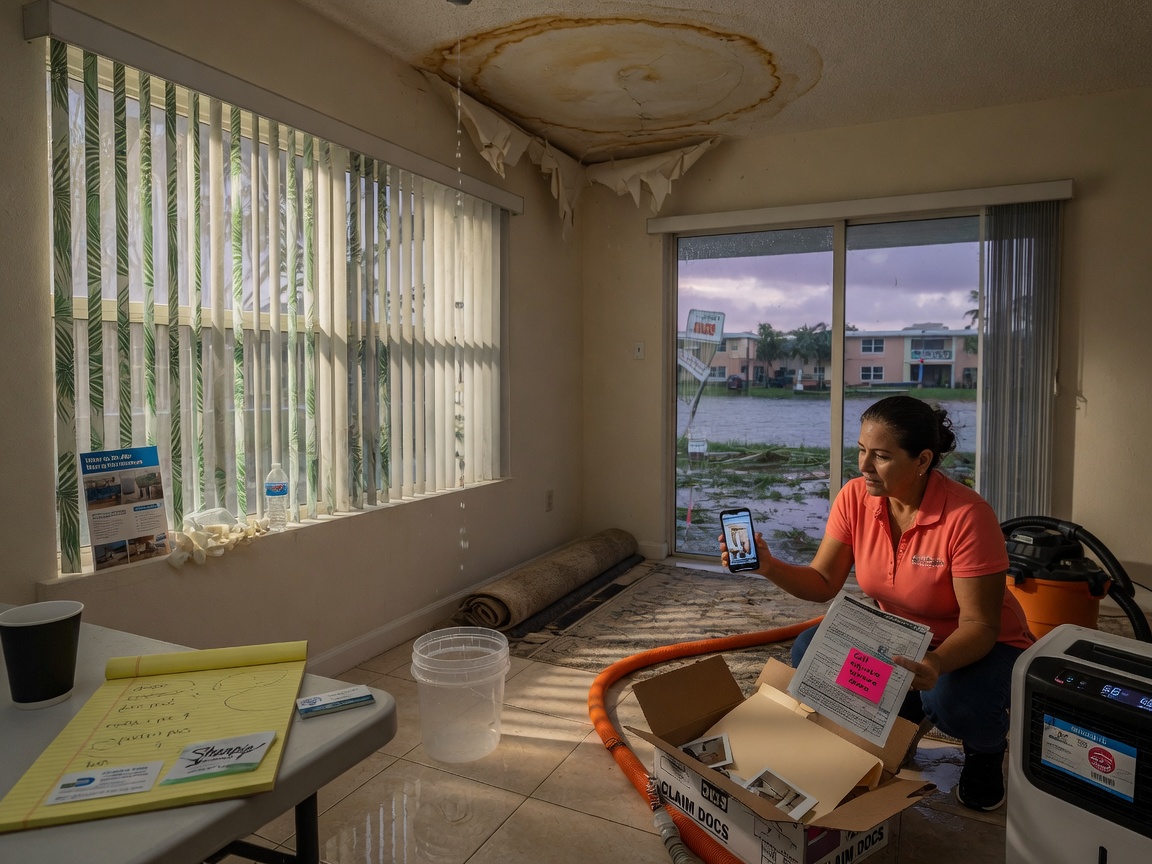
Miami homeowners facing storm water damage often see claims approved faster when they start with dated photos of every affected room, appliance, and structural element before any cleanup begins. In neighborhoods like Downtown Miami and Brickell, where high-rises sit on reclaimed land near Biscayne Bay, even moderate rainfall from the tropical monsoon climate can push water through foundation cracks and into lower-level parking garages or storage units. Miami-Dade County properties built before 1990 frequently lack modern elevation standards, so adjusters expect to see evidence of how water entered through windows, doors, or roof penetrations common in older stock found in Little Havana and Overtown.
Documenting Damage Before Cleanup
Take wide-angle and close-up photos of every water line, stained drywall, and saturated carpet within the first 24 hours. Include timestamps and a written log noting the date the storm hit and when you first noticed intrusion. In Coral Gables and Coconut Grove, where many homes have Spanish-tile roofs and stucco exteriors, water often travels along hidden beams; mark each spot with painter’s tape so the adjuster can locate it later. Store copies of these records off-site or in cloud storage because paper notes left in a flooded home can be lost. This level of detail directly supports line items on your claim for contents, structural repairs, and temporary living expenses.
Reviewing Your Policy for Storm Coverage
Read the water damage and flood sections separately because standard homeowners policies exclude rising groundwater common after Miami thunderstorms. Check whether your policy lists actual cash value or replacement cost for personal belongings, especially in Wynwood and Design District lofts where art studios hold high-value equipment. Note any hurricane deductibles that can reach 2–5% of the dwelling coverage and confirm the insurer’s deadline for filing supplemental claims once hidden damage appears behind walls. If you live in a flood-prone pocket near the Miami River or in Hialeah, review whether you carry separate NFIP coverage through the county program.
Working with Adjusters in Miami-Dade County
Schedule the inspection for daylight hours and walk the adjuster through every room in sequence, pointing out water paths from the roof or exterior walls. In areas like Overtown and Little Havana, older plumbing and flat roofs mean secondary damage from wind-driven rain can appear days later; ask the adjuster to note these possibilities in the report. Keep a separate notebook of every conversation, including the adjuster’s name, date, and agreed-upon next steps. If the initial offer seems low compared to local restoration quotes for similar square footage in Coral Gables, request a second inspection before signing any release.
Avoiding Common Claim Delays
Submit all photos, receipts, and contractor estimates within the first 10–14 days to prevent the file from being flagged for additional information. In Miami’s hot wet summers, mold can develop within 48–72 hours, so include any early mold testing results from a licensed inspector to support supplemental living expenses. Properties near Vizcaya Museum or the Design District often share party walls; document any shared damage and notify neighbors in writing so the claim file reflects the full scope. Avoid starting permanent repairs until the adjuster signs off, yet keep temporary mitigation receipts such as dehumidifier rentals and plywood boarding costs.
When Professional Restoration Supports Your Claim
Hiring a restoration team experienced in Miami-Dade County storm work provides an itemized scope that adjusters recognize. Flood damage restoration crews familiar with local building codes can separate storm-related damage from pre-existing wear in 1950s–1970s homes common across Overtown. Pair this with the guidance in Steps To Take After Flooding From Miami Thunderstorms to create a timeline that matches weather reports from the National Weather Service. For lingering humidity concerns that affect claim approval, review How To Reduce Mold Risk After Water Damage In Miami Humidity before signing the final proof of loss.